
What to Expect During Your Retina Evaluation
Flashes, Floaters, and Sudden Vision Changes
Experiencing flashes, floaters, or sudden changes in vision can feel alarming. Many patients are understandably anxious before their retina evaluation and want to know what the exam will involve.
At NH Eye Associates, our retina specialists provide comprehensive retinal evaluations using advanced imaging technology and detailed retinal examinations to determine whether symptoms are related to normal aging changes or more serious retinal conditions. Our goal is to provide clear answers, peace of mind, and prompt treatment when needed.
Why a Retina Evaluation Is Important
Flashes and floaters are common symptoms, but they can sometimes signal:
- Posterior vitreous detachment (PVD)
- Retinal tears
- Retinal detachment
- Vitreous hemorrhage
- Other retinal conditions
A retina examination helps determine whether urgent treatment is needed to protect vision.
Before Your Appointment
When scheduling your appointment, our team may ask about:
- Sudden flashes
- New floaters
- Vision loss
- Curtains or shadows
- Eye trauma
- Previous retinal problems
- Prior eye surgery
- Diabetes or other medical conditions
These details help determine how urgently you should be evaluated.
What Happens During the Exam?
A retina evaluation often includes several important steps to carefully examine the retina and vitreous.
Medical History & Symptom Review
Your doctor will discuss:
- When symptoms started
- Whether symptoms are worsening
- Flashing light patterns
- Number and appearance of floaters
- Any blurry or missing vision
- Eye trauma history
- Medical and surgical history
Many patients ask questions similar to those commonly discussed online and on Reddit, including:
- “How many floaters is too many?”
- “Why do flashes happen at night?”
- “Should I worry about one new floater?”
- “Can retinal detachment happen suddenly?”
Your retina specialist will review these concerns in detail.
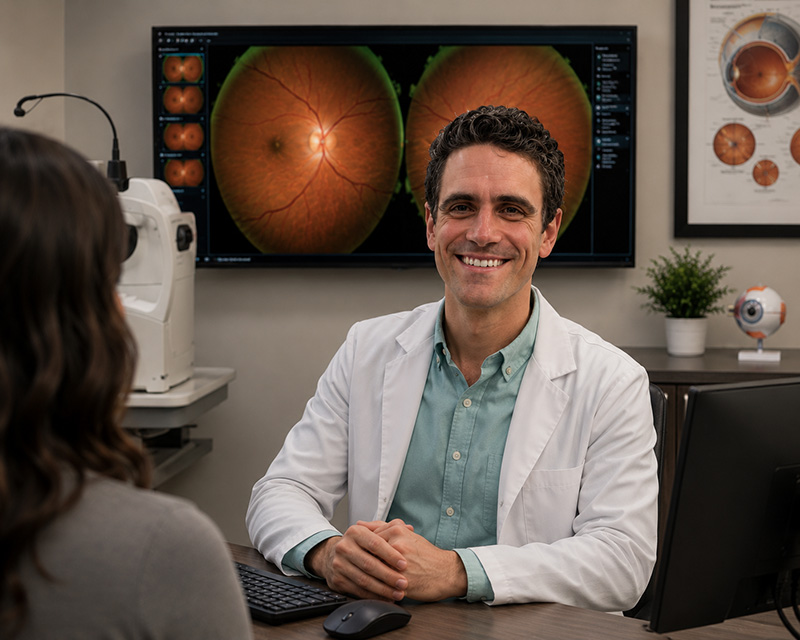
Vision Testing
Your visit may include:
- Vision testing
- Peripheral vision evaluation
- Eye pressure measurement
These tests help assess overall eye health and visual function.
Pupil Dilation
Most retina evaluations require dilation.
Eye drops are used to enlarge the pupils so the retina can be examined thoroughly.
After dilation:
- Vision may become blurry
- Light sensitivity may increase
- Symptoms may last several hours
Many patients prefer bringing sunglasses for comfort after the appointment.
Dilated Retina Examination
Your retina specialist will carefully examine:
- The retina
- The vitreous gel
- The macula
- Peripheral retinal tissue
- Areas of retinal traction or tearing
The examination helps identify:
- Posterior vitreous detachment (PVD)
- Retinal tears
- Retinal detachment
- Vitreous hemorrhage
- Other retinal conditions
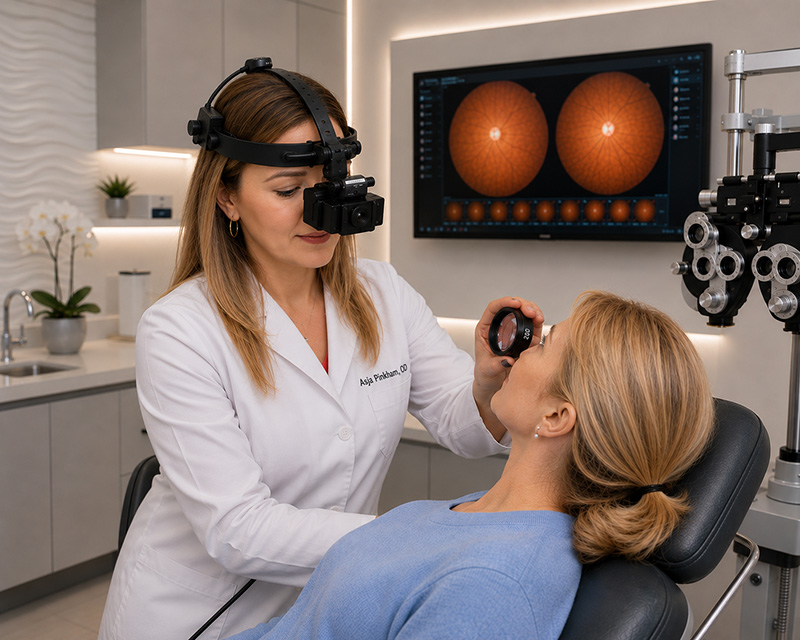
Retinal Imaging
Advanced retinal imaging may include:
Widefield Retinal Photography
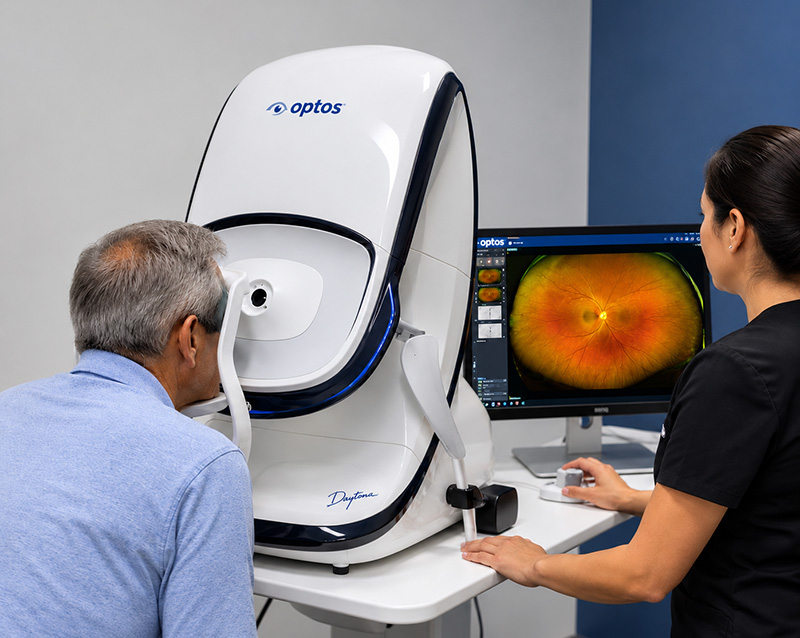
This imaging helps document retinal findings and evaluate the peripheral retina.
Ultrasound Imaging
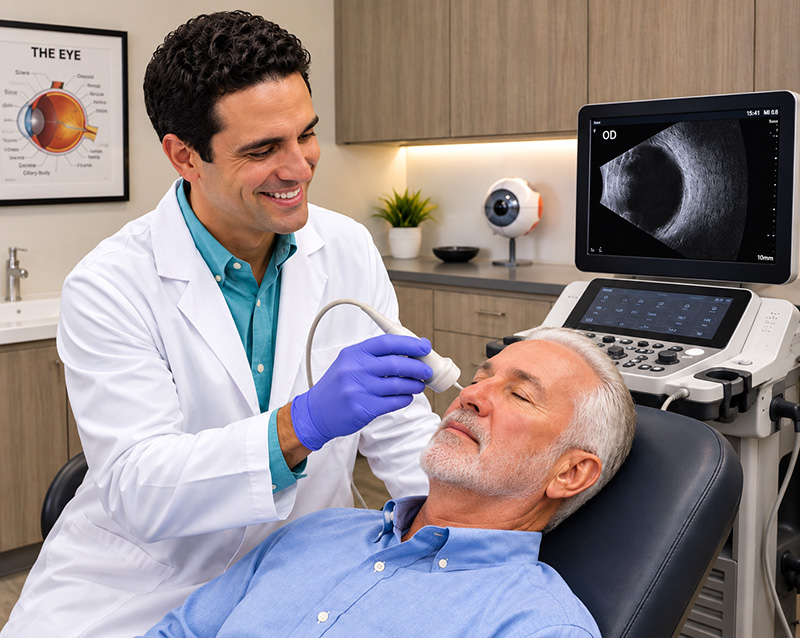
Ultrasound may be used if bleeding or dense floaters limit visibility.
These tests are painless and provide valuable information about retinal health.
What If a Retinal Tear Is Found?
If a retinal tear is identified, treatment may sometimes be recommended the same day.
Treatment may include:
- Retinal laser treatment
- Cryotherapy
- Monitoring depending on severity and location
Prompt treatment can often help prevent retinal detachment.
What If Retinal Detachment Is Found?
If retinal detachment is diagnosed, urgent treatment may be necessary.
Your retina specialist will discuss:
- Severity of the detachment
- Treatment options
- Surgical recommendations
- Expected recovery
Early treatment greatly improves the chance of preserving vision.
How Long Does the Appointment Take?
Appointment length varies depending on symptoms and testing needs. Many retina evaluations take approximately 45–90 minutes. Urgent evaluations or additional testing may require more time.
Can You Drive After Dilation?
Some patients are comfortable driving after dilation, while others prefer assistance.
After dilation:
- Vision may be blurry
- Light sensitivity may increase
- Near vision may temporarily worsen
Patients concerned about driving may wish to bring a driver.
What Happens After the Exam?
After your examination, your retina specialist will discuss:
- Whether symptoms are related to normal aging changes
- Whether retinal tears or detachment are present
- Whether treatment is needed
- Follow-up recommendations
- Warning signs to monitor
Some patients require:
- Monitoring only
- Repeat retina examinations
- Laser treatment
- Retinal surgery consultation
Same-Day Retina Evaluations
At NH Eye Associates, we provide:
- Comprehensive retina evaluations
- Advanced retinal imaging
- Expert retina specialists
- Same-day urgent evaluations when appropriate
- Personalized treatment and monitoring plans
Our goal is to diagnose retinal problems early and help protect your vision.
When Should You Schedule an Exam?
You should seek prompt evaluation if you experience:
- Sudden floaters
- Flashing lights
- Curtain or shadow in vision
- Loss of side vision
- Sudden blurry vision
- Symptoms after trauma
Frequently Asked Questions
Will the exam hurt?
No. Most retina testing and imaging are painless.
How long will I be dilated?
Dilation often lasts several hours.
Should I bring sunglasses?
Yes. Many patients find sunglasses more comfortable after dilation.
Can I return to work afterward?
Most patients can, though blurry vision and light sensitivity may temporarily affect reading or screen use.
Will I get results the same day?
Yes. Your retina specialist will review findings during your visit.
Are retina imaging tests painful?
No. OCT and retinal photography are quick and painless.
What if I need treatment?
Your doctor will discuss treatment recommendations and urgency during the appointment.
Can retinal tears be treated in-office?
Yes. Many retinal tears can be treated with laser procedures in the office.
How urgent are flashes and floaters?
Some symptoms are routine, while others require urgent evaluation to rule out retinal tears or detachment.
Is it better to get checked early?
Absolutely. Early diagnosis is one of the best ways to protect vision.
Patient Testimonials
Schedule a Retina Evaluation
If you are experiencing flashes, floaters, or sudden changes in vision, prompt evaluation matters. Contact NH Eye Associates to schedule a comprehensive retina examination with our experienced retina specialists.