
Common Eye Diseases
Many eye diseases develop gradually and may not cause noticeable symptoms until vision has already been affected. Early diagnosis through comprehensive eye exams is the best way to protect your eyesight and begin treatment before permanent vision loss occurs.
Explore our guides below to learn about common eye diseases, including cataracts, glaucoma, macular degeneration, diabetic eye disease, dry eye, retinal conditions, and more.
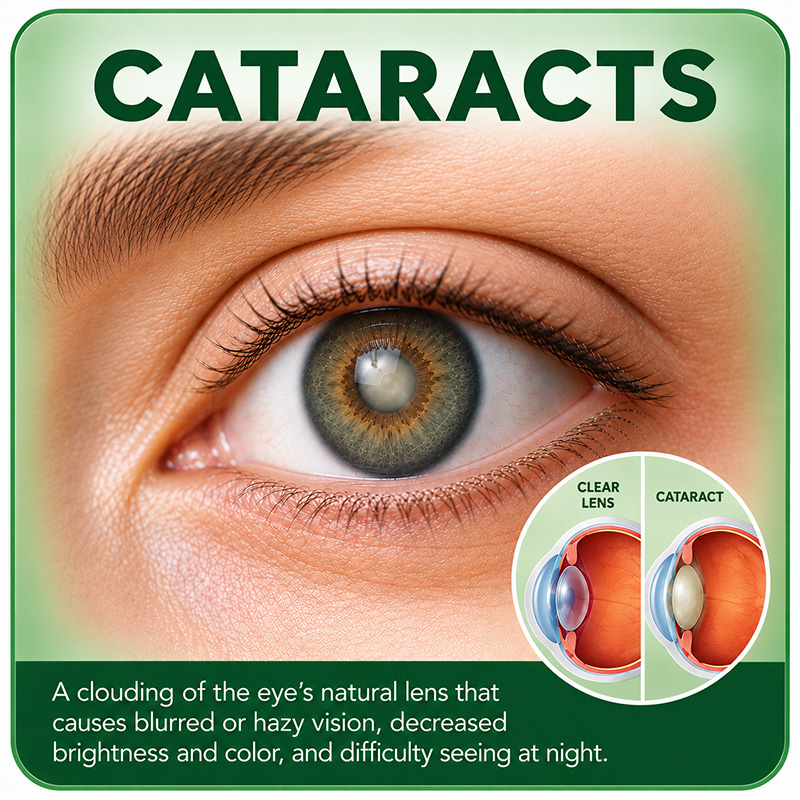
Cataracts
A clouding of the eye’s natural lens that causes blurred or hazy vision, decreased brightness and color, and difficulty seeing at night.
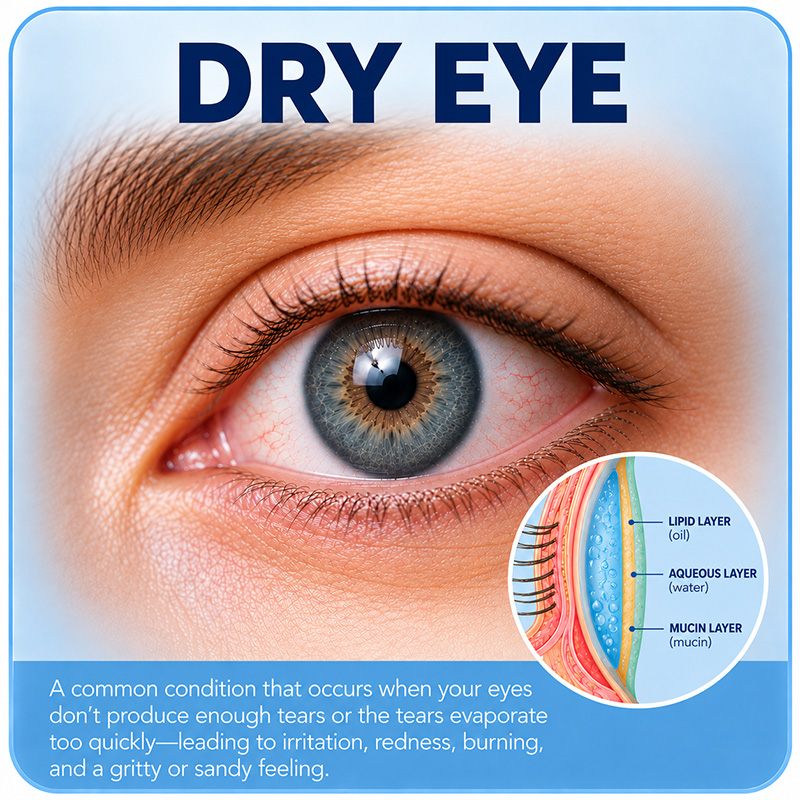
Dry Eye
A common condition that occurs when your eyes don’t produce enough tears or the tears evaporate too quickly—leading to irritation, redness, burning, and a gritty or sandy feeling
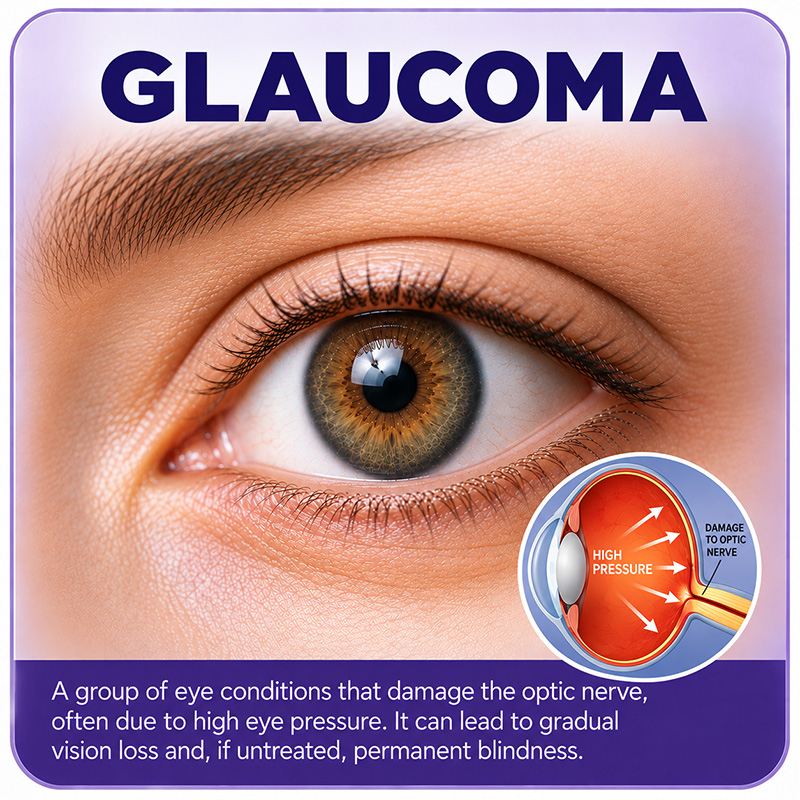
Glaucoma
A group of eye conditions that damage the optic nerve, often due to high eye pressure. It can lead to gradual vision loss and, if untreated, permanent blindness.
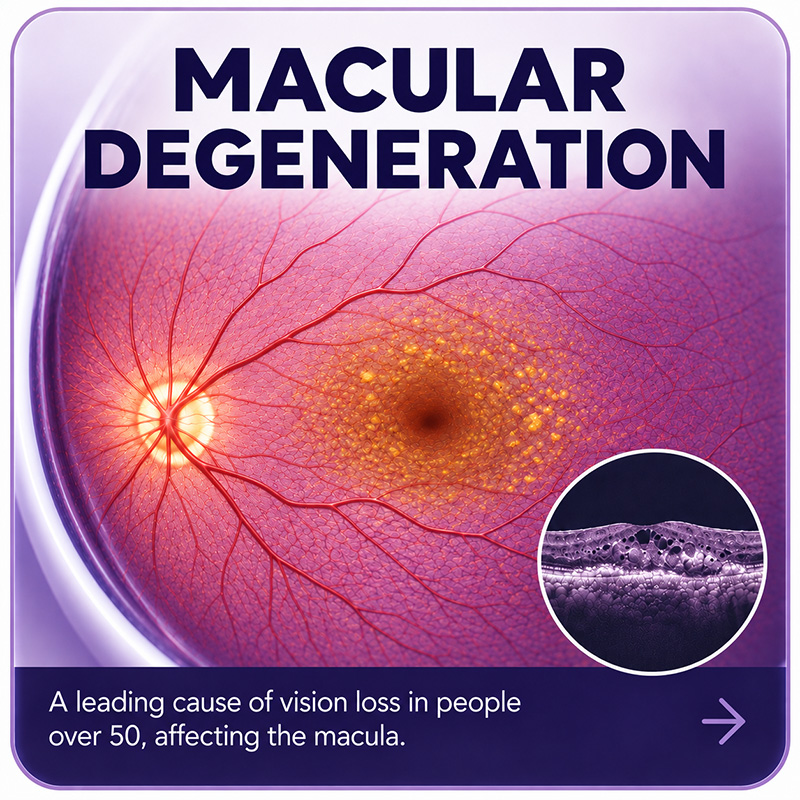
Macular Degeneration
A leading cause of vision loss in people over 50, affecting the macula.
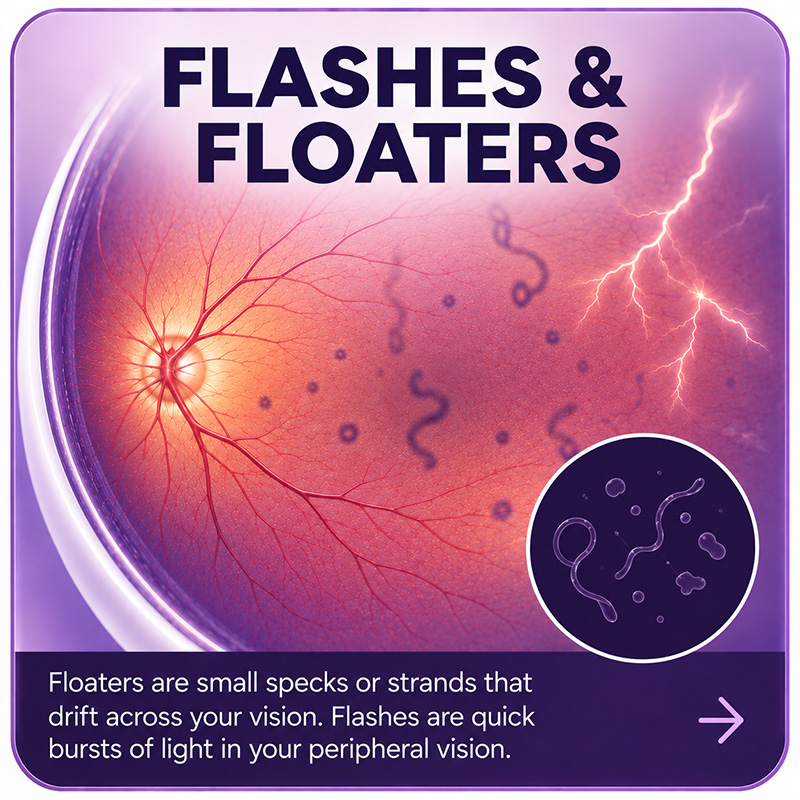
Flashes & Floaters
Floaters are small specks or strands that drift across your vision. Flashes are quick bursts of light in your peripheral vision.
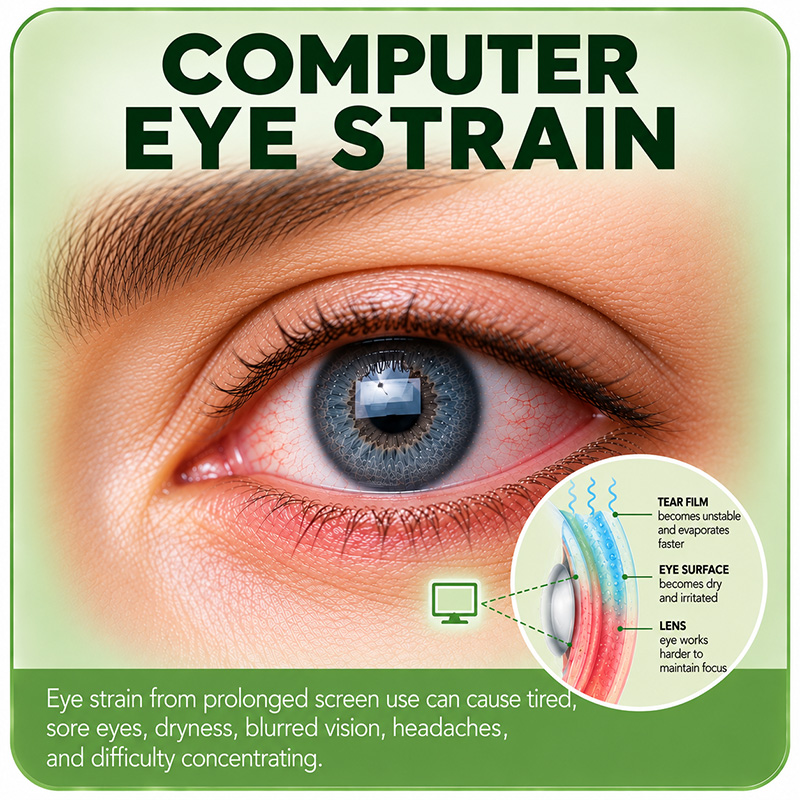
Computer Eye Strain
Eye strain from prolonged screen use can cause tired, sore eyes, dryness, blurred vision, headaches, and difficulty concentrating.
Early Detection Can Save Your Vision
Many eye diseases progress without pain or obvious symptoms. Regular comprehensive eye exams allow us to detect problems before they threaten your sight.
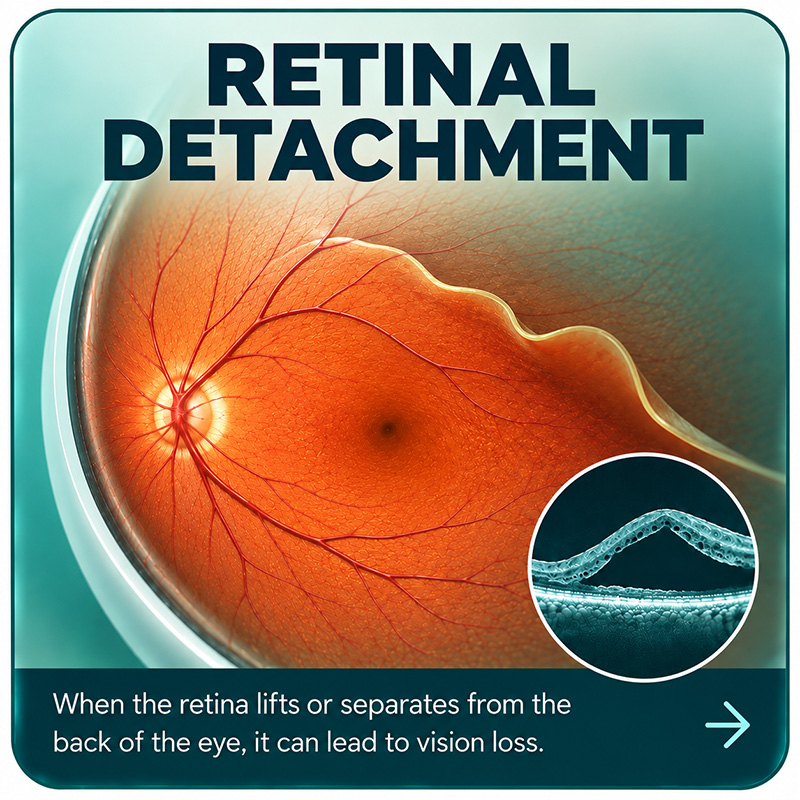
Retinal Detachment
When the retina lifts or separates from the back of the eye, it can lead to vision loss.
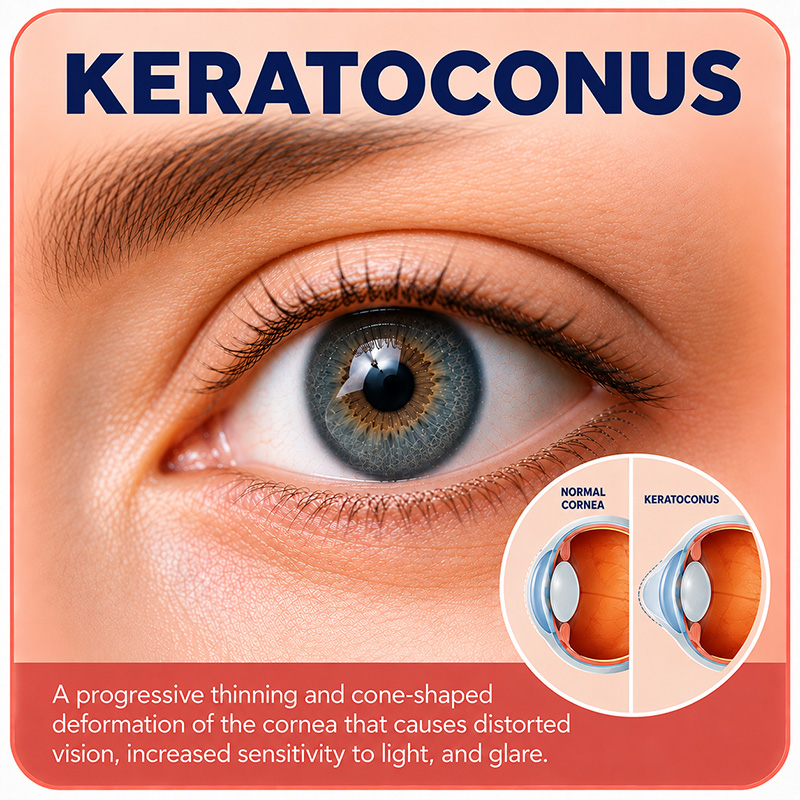
Keratoconus
A progressive thinning and cone-shaped deformation of the cornea that causes distorted vision, increased sensitivity to light, and glare.
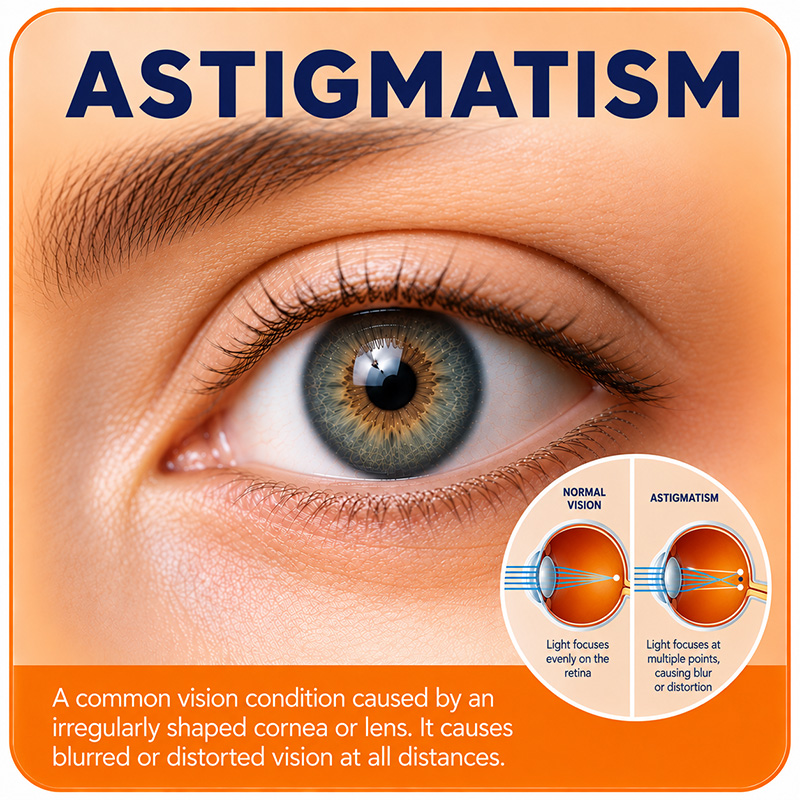
Astigmatism
A common vision condition caused by an irregularly shaped cornea or lens. It causes blurred or distorted vision at all distances.
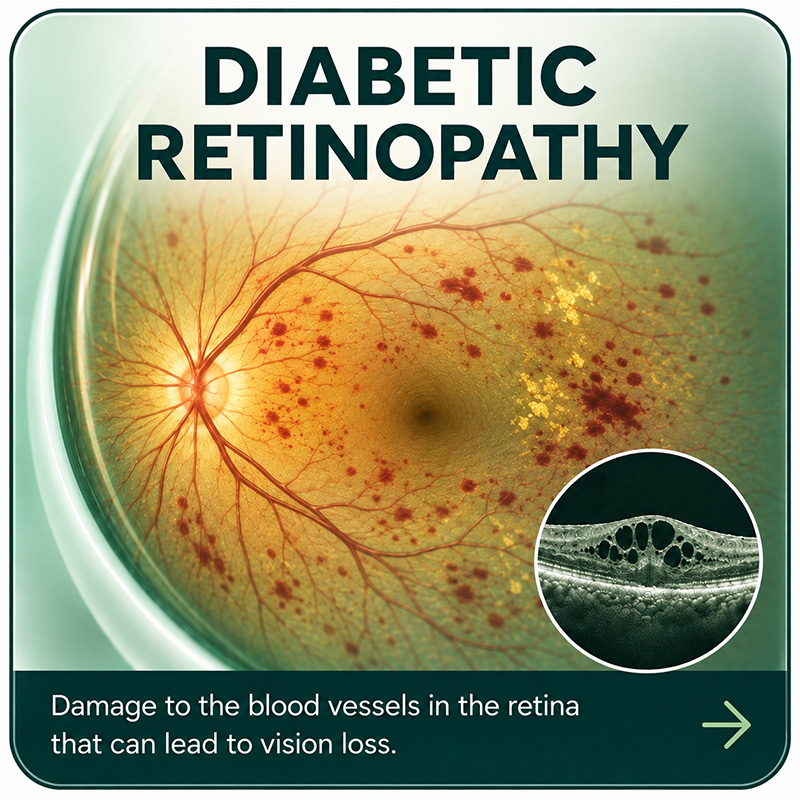
Diabetic Retinopathy
Damage to the blood vessels in the retina that can lead to vision loss.
Concerned About Your Eye Health?
Whether you're experiencing vision changes or simply due for an eye exam, our experienced ophthalmologists and optometrists can diagnose eye diseases early and recommend the most effective treatment options.
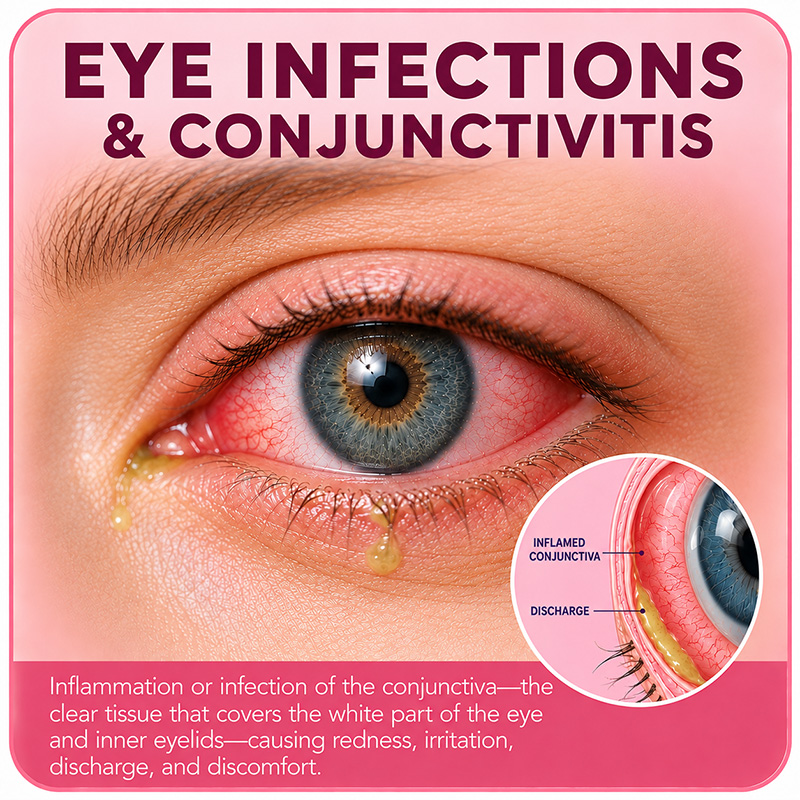
Eye Infections & Conjunctivitis
Inflammation or infection of the conjunctiva—the clear tissue that covers the white part of the eye and inner eyelids—causing redness, irritation, discharge, and discomfort.
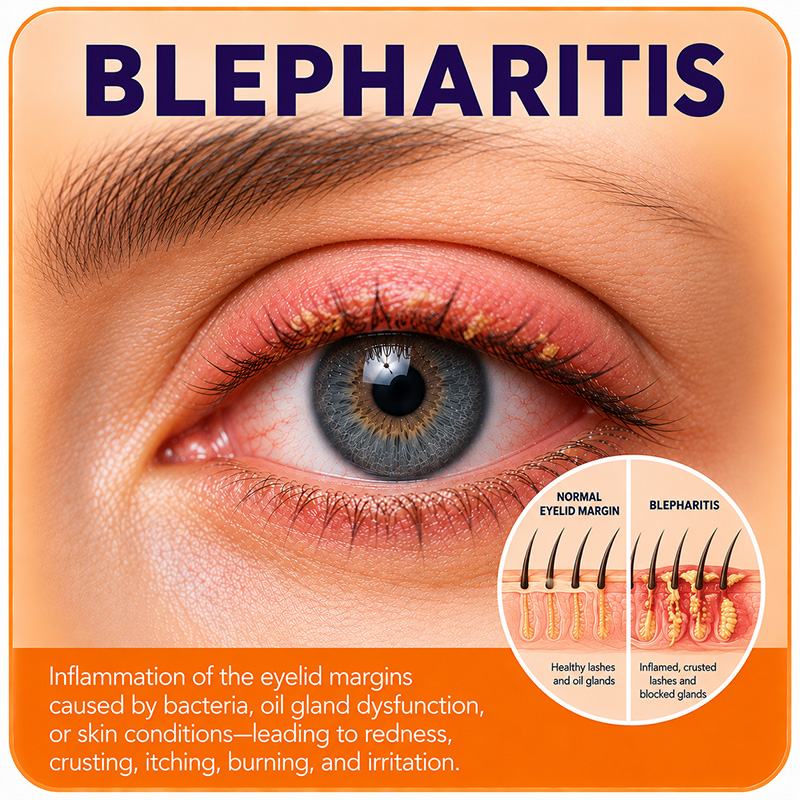
Blepharitis
Inflammation of the eyelid margins caused by bacteria, oil gland dysfunction, or skin conditions—leading to redness, crusting, itching, burning, and irritation.
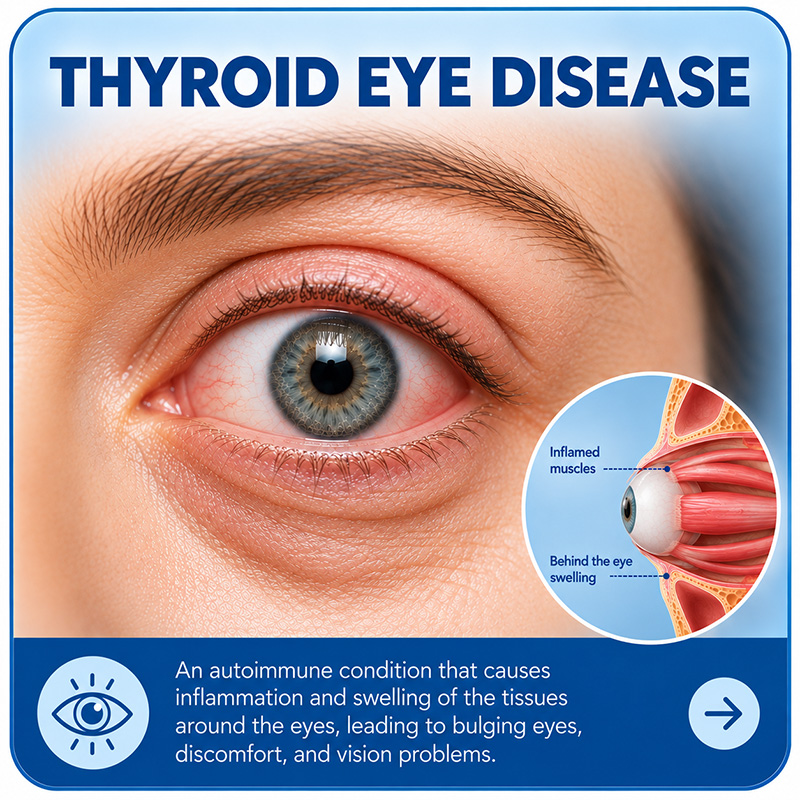
Thyroid Eye Disease
An autoimmune condition that causes inflammation and swelling of the tissues around the eyes, leading to bulging eyes, discomfort, and vision problems.
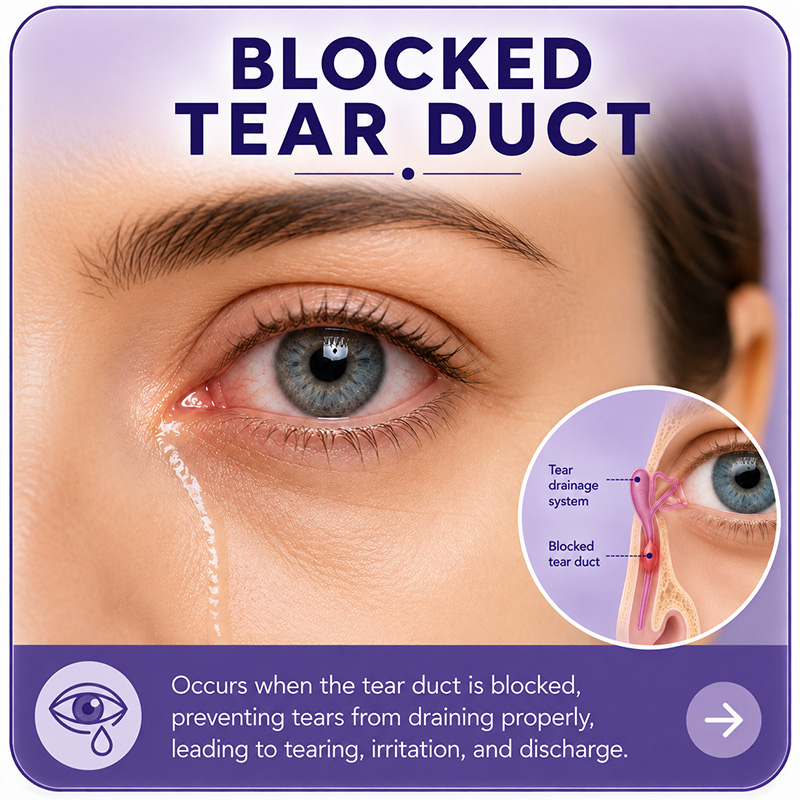
Blocked Tear Duct
Occurs when the tear duct is blocked, preventing tears from draining properly, leading to tearing, irritation, and discharge.
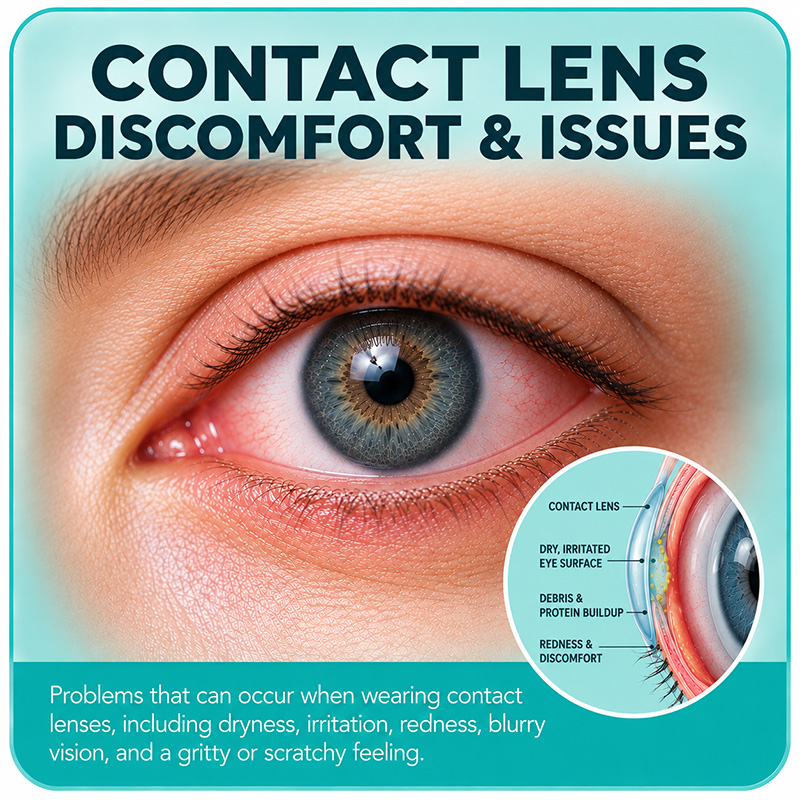
Contact Lens Discomfort & Issues
Problems that can occur when wearing contact lenses, including dryness, irritation, redness, blurry vision, and a gritty or scratchy feeling.
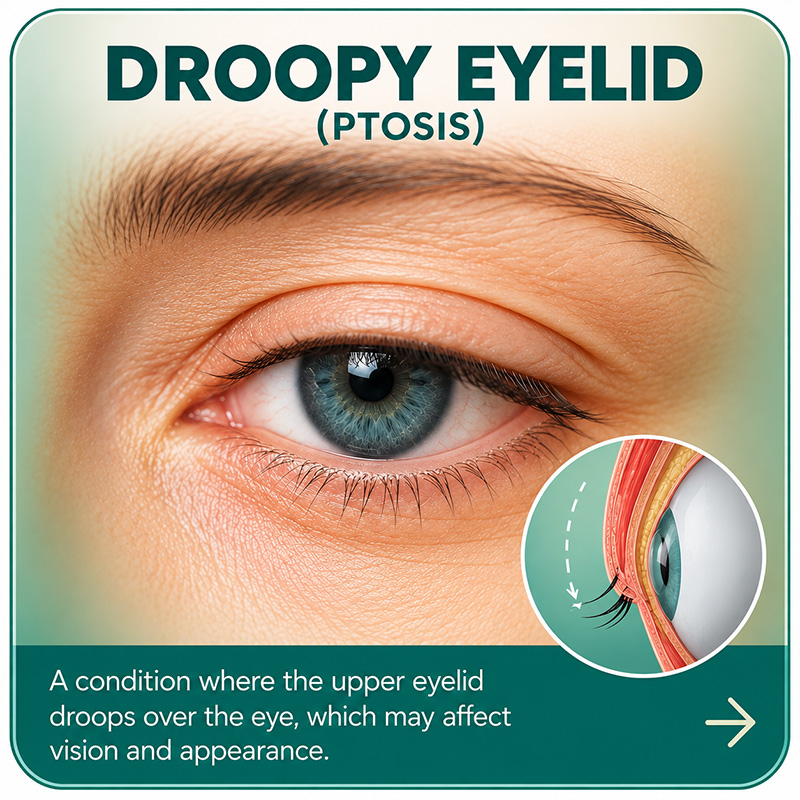
Droopy Eyelid (Ptosis)
A condition where the upper eyelid droops over the eye, which may affect vision and appearance.
Frequently Asked Questions
What are the most common eye diseases?
Some of the most common eye diseases include cataracts, glaucoma, age-related macular degeneration (AMD), diabetic retinopathy, dry eye disease, retinal tears and detachments, keratoconus, and retinal vein occlusions.
What eye diseases can cause permanent vision loss?
Conditions such as glaucoma, macular degeneration, diabetic retinopathy, retinal detachment, and advanced retinal diseases can lead to permanent vision loss if not diagnosed and treated promptly.
Are eye diseases always associated with symptoms?
No. Many eye diseases develop silently and cause few or no symptoms during their early stages. Routine eye examinations are essential for early detection.
How often should I have my eyes examined?
Most adults should have comprehensive eye exams every one to two years, although people with diabetes, glaucoma, a family history of eye disease, or other risk factors may require more frequent evaluations.
What are warning signs that I should see an eye doctor immediately?
Seek prompt evaluation if you experience:
- Sudden vision loss
- Flashes of light or a sudden increase in floaters
- A curtain or shadow over your vision
- Severe eye pain
- Sudden double vision
- Significant eye redness with pain or decreased vision
Can eye diseases be prevented?
While not all eye diseases are preventable, maintaining regular eye exams, controlling blood sugar and blood pressure, avoiding smoking, wearing UV protection, eating a healthy diet, and managing chronic medical conditions can reduce your risk.
What eye diseases are related to aging?
As we age, the risk of cataracts, glaucoma, macular degeneration, dry eye disease, vitreous changes, and retinal disorders increases.
Who is at higher risk for developing eye disease?
Risk factors include:
- Age over 60
- Diabetes
- High blood pressure
- Family history of eye disease
- Smoking
- High myopia (nearsightedness)
- Previous eye injury or surgery
- Long-term steroid use
Can vision be restored after eye disease?
It depends on the condition. Many eye diseases can be successfully treated or slowed, especially when diagnosed early. Some vision loss may be permanent, making early detection especially important.
What eye diseases does NH Eye Associates treat?
Our specialists diagnose and treat a wide range of eye diseases, including cataracts, glaucoma, macular degeneration, diabetic eye disease, retinal disorders, dry eye disease, corneal diseases, pediatric eye conditions, and eyelid disorders using the latest diagnostic technology and treatment options.
Expert Care for Every Stage of Eye Disease
From routine monitoring to advanced medical and surgical treatment, NH Eye Associates provides comprehensive care for patients of all ages throughout New Hampshire.